
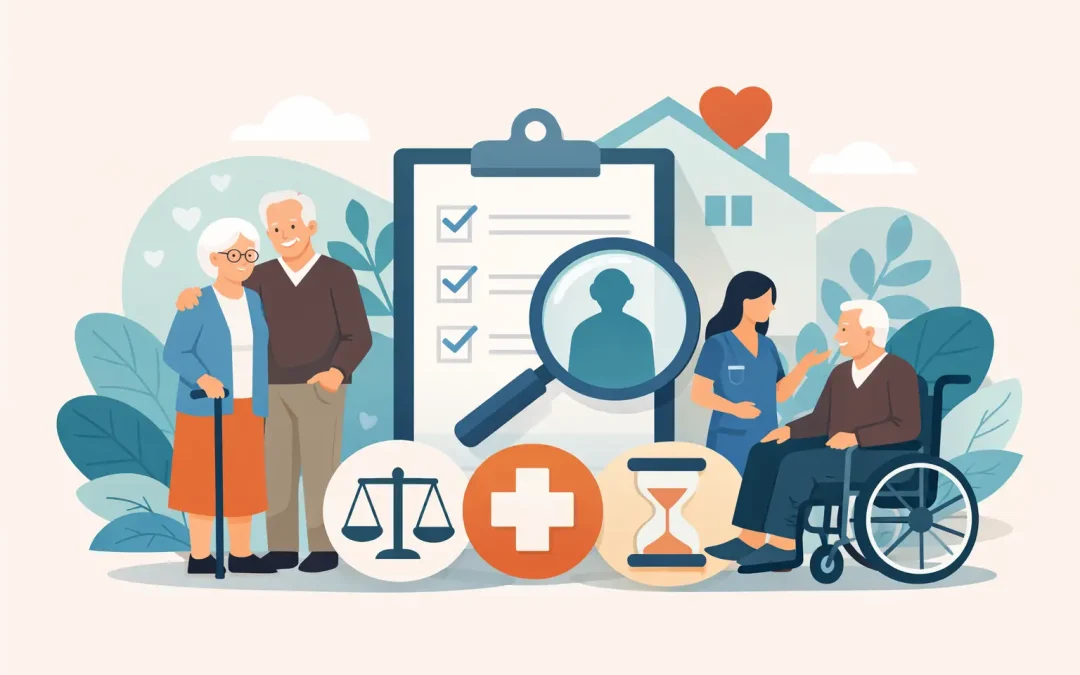
A fall, a hospital stay, or even small changes like missed meals and difficulty showering can be the moment families start asking who is eligible for aged care services. For many older Australians, the answer is broader than expected. Aged care is not only for people with very high needs. It can also support people who are managing at home but need help to stay safe, independent and well.
The key point is this: eligibility is usually based on age and need, not just on a diagnosis. If everyday tasks are becoming harder, or if health issues are affecting day-to-day life, it may be time to look at what support is available.
Who is eligible for aged care services in Australia?
In general, aged care services are designed for older people who need support because daily living has become more difficult. Most people may be eligible if they are aged 65 or over, or 50 or over for Aboriginal and Torres Strait Islander people, and need assistance to remain safe and independent.
That support might relate to personal care, mobility, meals, transport, cleaning, nursing care, dementia support, social connection, or help after a hospital stay. Some people need only a small amount of assistance each week. Others may require regular care, clinical services, or more coordinated support at home.
Eligibility is not decided by age alone. Two people of the same age can have very different needs. One may be fully independent, while another may be struggling with memory changes, reduced balance, chronic illness, frailty, or carer stress. That is why aged care access is usually based on an assessment of how well a person is managing and what support would make daily life safer and more manageable.
What kinds of needs are usually considered?
When an older person is assessed for care, the focus is usually on function, safety and wellbeing. This includes whether they can shower, dress, prepare meals, move around the house, manage medications, attend appointments and keep up with household tasks.
Health conditions can also affect eligibility, especially if they increase the risk of falls, hospital admission, skin breakdown, poor nutrition, confusion or medication issues. Dementia, arthritis, stroke recovery, reduced mobility, diabetes, heart disease and Parkinson’s disease are common examples, but there is no fixed list of conditions that automatically qualifies someone.
Living situation matters too. A person who lives alone with limited family support may need help sooner than someone with a strong support network. In the same way, an older carer looking after a spouse may be eligible for services because the caring role has become physically or emotionally difficult to sustain.
How eligibility is assessed
For government-funded aged care, eligibility is generally confirmed through an assessment process. This is used to understand what support a person needs now and what may help them remain well at home.
The assessor will usually ask about mobility, personal care, memory, medical conditions, home safety, social support and daily routines. They are not looking for perfection. They are looking at whether there are barriers to safe and independent living, and whether services could reduce those barriers.
This process can feel daunting at first, especially for families doing it for the first time. Many people worry they are not “bad enough” to qualify, or they feel reluctant to admit they need help. In reality, asking for support early can prevent a crisis later. Getting help with cleaning, showering or medication management at the right time can make a real difference to confidence and quality of life.
Support available if you are eligible
If someone is found eligible, the type of support offered depends on their care needs. Some older people may receive entry-level help with daily tasks and wellbeing. Others may qualify for more ongoing services at home, including personal care, domestic assistance, transport, social support and nursing care.
For people with more complex health needs, support at home may include services from registered nurses. This can involve wound care, continence support, diabetes care, medication assistance, palliative care, or help after discharge from hospital. Where needs are higher, care plans are often more tailored and may involve closer coordination with family, GPs and allied health providers.
This is where personalised care matters. Good care should not feel like a standard package delivered the same way to everyone. It should reflect the person’s routines, preferences, health priorities and comfort level. A clinically informed provider such as Home With Help Homecare Services (Partner provider to Trilogy Care) can support both everyday living needs and more complex nursing care, which is often reassuring for families who want continuity as needs change.
Who may not be eligible right away?
Not every older person will qualify for government-funded aged care immediately. If someone is still managing well without support, they may be encouraged to revisit the process later if their circumstances change.
There are also cases where a person’s needs sit outside aged care and are better met through disability services, short-term medical treatment, rehabilitation, or privately arranged home support. That does not mean help is out of reach. It simply means the right pathway depends on the person’s age, health, funding situation and the reason support is needed.
This is often where confusion starts. Families may assume that all in-home support is aged care, but in practice there can be overlap between aged care, disability support, post-hospital care, and private home care. The best option depends on the individual circumstances.
Who is eligible for aged care services at home?
Many people asking who is eligible for aged care services are really asking whether they can stay in their own home and still receive meaningful support. In many cases, yes. Aged care at home is intended for older people who want to remain living independently but need help to do so safely.
That can include people who need assistance with showering, dressing, meal preparation, shopping, cleaning, transport to appointments, or support to stay socially connected. It can also include those with more complex needs who require clinical care at home.
The main test is whether support at home will improve safety, independence and wellbeing. If it will, home-based aged care is often considered before residential care. This suits many older Australians, because familiar surroundings, routines and relationships can be deeply important to confidence and emotional wellbeing.
What families should watch for?
Eligibility questions often come up after a sudden event, but gradual decline is just as important to notice. If you are supporting a parent, partner or relative, there are a few signs that should not be ignored.
You might notice unopened mail piling up, a fridge with little food, missed medications, poor hygiene, increasing confusion, weight loss, repeat falls, or reluctance to leave the house. Sometimes the person says they are fine, but the home tells a different story. Sometimes the biggest sign is carer exhaustion.
None of these issues automatically means residential care is needed. Quite often, they mean the person would benefit from support at home before things become more serious.
Aged care eligibility can change over time
One of the most important things to understand is that eligibility is not static. A person may not qualify for much support today, then need considerably more after surgery, illness, bereavement or a decline in mobility. In the same way, someone who starts with basic domestic help may later require personal care or nursing support.
That is why regular review matters. Care should change as the person changes. A flexible care approach helps avoid the stress of trying to fit changing needs into a service that no longer suits.
For families, this means it is worth asking for help before the situation becomes urgent. Early support can ease pressure, reduce risk and give everyone more time to make good decisions.
What to do if you think someone may be eligible?
If you think an older person may be eligible for aged care services, start by looking honestly at what daily life now involves. Are tasks being skipped? Is health becoming harder to manage? Is the person less safe, less steady, or more isolated than they used to be?
From there, the next step is usually to arrange an aged care assessment and gather a clear picture of current needs. It helps to write down concerns in advance, especially if there have been falls, medication issues, memory changes or recent hospital visits. Small details are often the details that explain why support is needed.
If government-funded services are not available immediately, or if support is needed sooner, private in-home care can also be a practical option. For some families, that immediate flexibility is what allows a loved one to come home safely after hospital, trial support before a formal package begins, or receive more tailored care than standard funding alone can cover.
The right time to ask about care is usually earlier than people think. If life at home is becoming harder, that question is already worth asking – and the answer may open the door to safer, gentler and more dignified support than you expected.
Very informative article
We are happy that you find the blog article informative.