When someone you love starts needing more help at home, the question often is not just what support they need, but how often they need it. That is usually where people ask, what is live in home care, and whether it is the right alternative to moving into residential care.
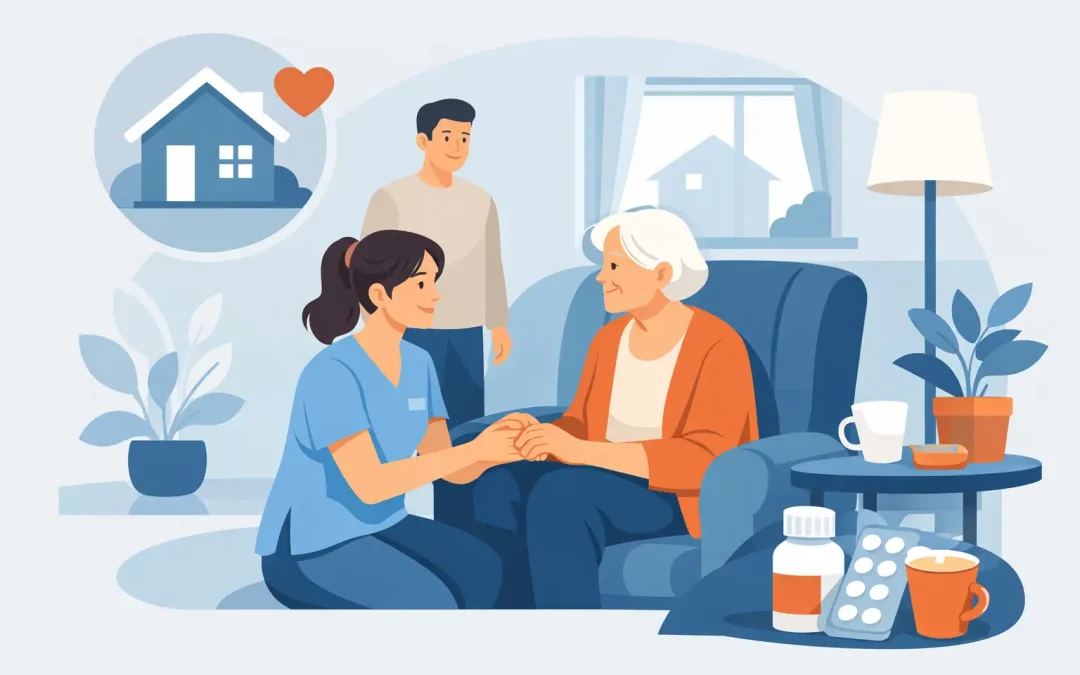
Live-in home care is a model of support where a carer stays in the person’s home to provide ongoing assistance across the day and, depending on the arrangement, overnight reassurance as well. The goal is to help someone remain safe, comfortable and independent in familiar surroundings while receiving consistent care tailored to their needs.
What is live in home care and how does it work?
At its core, live-in home care means care is brought into the home rather than the person leaving home to receive it elsewhere. The person receiving care continues living in their own environment, with support built around their routine, preferences and health requirements.
That support can include personal care, meal preparation, medication prompts, mobility assistance, companionship, transport to appointments, help around the house and supervision for safety. In some cases, care may also involve clinical services delivered by registered nurses, such as wound care, insulin support, stoma care or post-hospital monitoring.
The exact structure depends on the person’s circumstances. Some people need a strong daily presence because they are frail, living with dementia or recovering from surgery. Others may be mostly independent but feel safer knowing someone is there to help with showering, meals, medication, or getting in and out of bed.
It is also worth clearing up a common point of confusion. Live-in home care does not always mean constant active care every minute of the day. A live-in arrangement generally includes agreed periods of support, rest times for the carer and a clear understanding of what happens overnight. If someone needs frequent assistance throughout the night or advanced medical oversight, a different model may be more suitable, such as a team-based roster with day and night shifts.
Who live-in home care can help
This type of care can suit a wide range of people, but it is especially helpful when standard short visits are no longer enough. Older people who want to stay in the home they know often find live-in care reassuring because it offers continuity and familiarity. That can make a real difference when routines matter and changes in environment feel unsettling.
It can also suit adults recovering after a hospital stay, illness or injury. After surgery, for example, someone may need help with washing, dressing, preparing meals, moving safely around the house and getting to follow-up appointments. In those situations, having one consistent support person in the home can reduce stress and support a steadier recovery.
People living with disability may also benefit when they need daily assistance that is best provided in a personalised home setting. And for families supporting someone with dementia, live-in care can offer structure, supervision and calm, while helping the person remain in familiar surroundings for as long as possible.
Families often consider this option when they are doing a great deal themselves and can see that the level of care is becoming difficult to manage alone. That does not mean they are stepping away. In many cases, live-in care works best when families remain involved in decision-making, visits and emotional support, while trained carers take on the hands-on daily care.
What support is usually included?
A good live-in care arrangement should reflect the person, not force them into a standard routine. Support is usually planned around what the person can do independently, what they need help with and what matters most to their quality of life.
Day-to-day assistance often includes personal care such as showering, dressing, grooming and toileting. It may also include continence support, mobility assistance, meal planning and preparation, light domestic tasks, shopping support and transport to appointments or social outings.
Just as importantly, live-in care can provide companionship. For many people, especially those living alone, regular conversation and shared daily routines are not a minor extra. They are central to wellbeing. Having a trusted person nearby can reduce isolation, improve confidence and make it easier to keep enjoying life at home.
Where health needs are more complex, live-in care may be combined with community nursing or other clinical input. This is important because not all providers are equipped to manage both general support and higher-level care needs. If someone requires wound management, medication administration, diabetes support, palliative care or close monitoring after discharge from hospital, it helps to have a provider with clinical oversight and clear care coordination.
The benefits of staying at home
For many people, the main benefit is simple. Home feels like home. Familiar rooms, treasured belongings, pets, neighbours and local routines all contribute to a sense of identity and comfort.
That familiarity can support emotional wellbeing and, in some cases, reduce confusion or distress. This is especially true for people living with memory loss or dementia, where a sudden move into a new setting can be unsettling.
Live-in home care also allows for more personalised routines. The person does not have to fit into a facility timetable for meals, bedtimes or daily activities. Care can be built around the way they like to live, including cultural preferences, food choices, social habits and family involvement.
There is also the benefit of continuity. Seeing the same support worker or care team regularly helps build trust. Families often feel more confident when communication is direct, updates are consistent and everyone understands the care plan.
When live-in home care may not be the best fit
Although live-in care is an excellent option for many people, it is not the right answer in every situation. If someone needs intensive overnight intervention, complex behavioural support, or frequent medical treatment across a 24-hour period, a single live-in arrangement may not be enough.
The home itself also matters. There needs to be suitable space for the carer and a safe environment for care to be provided. If the property has major access issues or creates safety risks that cannot be addressed, other care options may need to be considered.
Cost and funding can also influence the decision. Depending on the level of support required, live-in care may be funded in different ways or used as part of a broader package of services. Some families arrange private support, while others may access funded services depending on eligibility and circumstances. This is one of the reasons a proper assessment is so important.
Questions to ask before choosing live-in care
If you are considering this type of support, it helps to look beyond the basic promise of having someone in the home. Ask how care plans are developed, who supervises care, how changes in condition are managed and whether registered nurses are involved when clinical issues arise.
It is also sensible to ask about carer matching, communication with families and what happens if the regular carer is unavailable. A dependable service should be transparent about how care is coordinated and how concerns are followed up.
For people with changing health needs, flexibility matters. A provider should be able to adjust support as recovery progresses, health conditions shift or family circumstances change. That can mean increasing services after a hospital discharge, adding nursing care, or stepping support down when someone regains confidence and independence.
What is live in home care compared with standard home care?
The main difference is consistency and presence. Standard home care usually involves carers visiting at set times for shorter shifts. That may work well for people who need help once or twice a day, a few times a week, or for specific tasks.
Live-in home care is more suitable when support needs are ongoing across the day and reassurance is needed outside scheduled visit times. It creates a more continuous care environment, which can be especially valuable for frailty, cognitive decline, recovery after illness or situations where being alone is no longer safe.
That said, the best arrangement is not always the biggest one. Some people do very well with a combination of personal care visits, domestic help, transport assistance and nursing support. Others need the stability of a live-in model. The right choice depends on the person’s health, home environment, preferences and goals.
Choosing care for yourself or a family member can feel like a big step, especially if this is all new. The most helpful starting point is not the label of the service but the person behind it – what they need, what helps them feel safe, and what will allow them to keep living with dignity in the place they know best.