
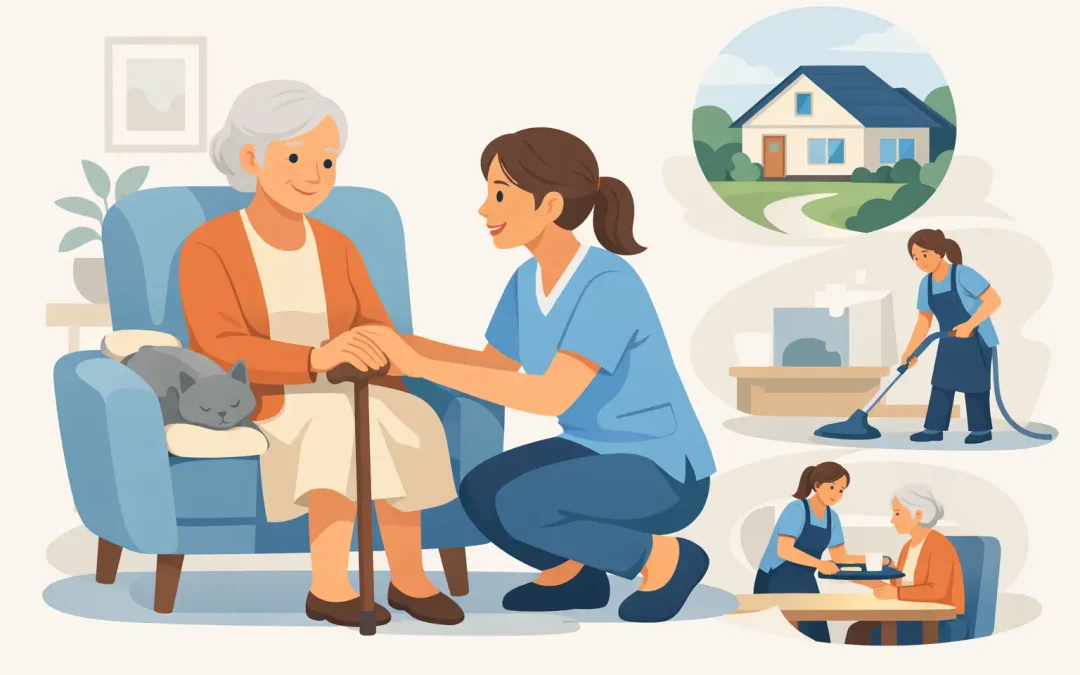
A home can start to feel harder to manage long before a person is ready to leave it. Often, it is not the big things that create stress. It is the washing basket that feels heavier, the floors that need more attention, or the meal preparation that becomes tiring after a hospital stay. Domestic help for seniors is designed to ease that pressure, so everyday life stays manageable and home continues to feel safe, familiar and comfortable.
For many older Australians, accepting support at home can feel like a big step. Families may worry that bringing in help means a loss of independence, but the opposite is often true. The right support can protect independence by reducing risk, preventing exhaustion and making it easier to keep up with routines that matter.
What domestic help for seniors usually includes
Domestic support is practical assistance with the tasks that keep a household running. That can include general tidying, vacuuming, mopping, laundry, changing bed linen, dishwashing, basic meal preparation and shopping assistance. Some people also need help to stay on top of bins, bathrooms or other areas that have become physically difficult to manage.
The exact support should depend on the person, not a standard checklist. One client may only need a hand with heavier cleaning every fortnight. Another may need regular assistance after surgery, while someone living with reduced mobility may need ongoing help several times a week. The aim is not to take over the home. It is to provide enough support to make daily living safer and less tiring.
That distinction matters. Good domestic care should fit around the way a person likes to live. Some people are very particular about how their kitchen is organised or how their laundry is handled. Respecting those preferences is part of respectful care.
Why home support matters more than people expect
A missed load of washing or an untidy bathroom might sound minor on paper, but in real life these things can quickly affect health and wellbeing. Clutter can increase the risk of falls. Poor nutrition can creep in when cooking feels too hard. Fatigue can build when an older person is using all their energy on housework rather than rest, exercise or social connection.
Domestic support also helps relieve pressure on family members. Adult children often try to fill the gap by doing shopping runs, cleaning or meal preparation around work and their own households. While that effort comes from care, it is not always sustainable. Bringing in reliable support can reduce strain and allow family time to feel more like family time again.
There is also an emotional side to home care that families often notice straight away. A clean, orderly home can lift confidence. Fresh linen, a stocked fridge and a tidy living area can make the day feel more settled. For people recovering from illness or managing ongoing health needs, that sense of order can be genuinely reassuring.
When to consider domestic help for seniors
Sometimes the need is obvious, such as after a hospital discharge or when mobility changes suddenly. In other cases, the signs are more gradual. Meals may become simpler and less frequent. Laundry may pile up. The home may look less safe than it used to, or a person may stop inviting others over because they feel embarrassed about keeping up.
Families often notice subtle shifts first. A parent who was once proud of maintaining the house may begin saying they are too tired to vacuum or avoid using certain parts of the home because cleaning them is difficult. These are often signs that support would be useful now, not only later.
Timing matters. Arranging help early can prevent small issues from turning into injuries, illness or loss of confidence. It can also make the transition easier because support is introduced before the situation becomes urgent.
The best support is personalised, not one-size-fits-all
Domestic care works best when it is built around the person’s health, preferences and goals. Someone with arthritis may need help with tasks that involve bending, gripping or lifting. A person living with dementia may need a consistent routine and familiar faces. Someone recovering from surgery may need short-term support that changes from week to week.
This is where a clinically informed approach can make a real difference. Domestic support does not sit in isolation from the rest of a person’s wellbeing. If an older person is fatigued, unsteady, living with diabetes or healing after a procedure, the home support plan should reflect that. Registered nurses and experienced care teams can help identify where practical household assistance fits into the bigger picture of safe recovery or ongoing care.
Personalised care also means listening properly. Some people want support in the morning so they can rest later in the day. Others prefer help timed around appointments, visitors or family routines. Flexible planning gives people more control over how care fits into their lives.
How domestic support and personal care work together
Domestic assistance is often one part of a broader in-home care plan. A person may also need transport to appointments, help with shopping, social support, medication assistance or nursing care. Keeping these services connected can reduce confusion and improve continuity.
For example, someone returning home after a hospital stay may need meal preparation, laundry and light cleaning at first, but they may also need wound care, mobility support or monitoring from a registered nurse. In that situation, having support coordinated through one care team can be far more reassuring than juggling separate providers.
The same applies to long-term needs. An older person may begin with fortnightly cleaning and later require more regular home support, personal care or clinical services. A provider that understands those changing needs can adjust the care plan without making the process harder than it needs to be.
What families should ask before arranging help
It is reasonable to want clarity before inviting someone into the home. Families should understand what services are offered, how care plans are developed, who delivers the support and how changes are managed over time. Communication is especially important when needs are changing quickly after illness, injury or discharge from hospital.
It also helps to ask how preferences will be recorded and followed. Domestic care should never feel rushed or impersonal. The older person should feel heard, respected and comfortable with the arrangement. That includes practical details, such as preferred days, household routines and any concerns about privacy or safety.
Consistency is another key point. Familiar carers help build trust, especially for seniors who may feel anxious about receiving assistance for the first time. Regular follow-up is just as important because needs at home are rarely static.
A practical first step for older Australians
If you are unsure whether support is needed, start by looking at the tasks that create the most strain each week. It may be vacuuming, changing sheets, preparing meals or keeping the bathroom clean. Even help with one or two areas can make a noticeable difference.
In many cases, people do not need everything done for them. They need a bit of practical assistance that allows them to keep doing the parts of life they value most. That might mean enough help to conserve energy for social outings, rehabilitation exercises, time with grandchildren or simply enjoying a quieter day at home.
For families across Melbourne, services such as Home With Help Homecare Services are often most valuable when they are arranged with care, not in a rush. A clear conversation about needs, preferences and health considerations can shape support that feels respectful from the beginning.
Domestic help should never be framed as giving up. At its best, it is a way of holding onto comfort, routine and dignity in the place that feels most like home.