A lot of families start asking what is community based nursing care when a hospital discharge feels too early, daily tasks are becoming harder, or a loved one needs clinical support but wants to stay at home. It is a practical question, but it is also a personal one. Most people are not just looking for nursing. They are looking for reassurance, continuity, and care that fits real life.
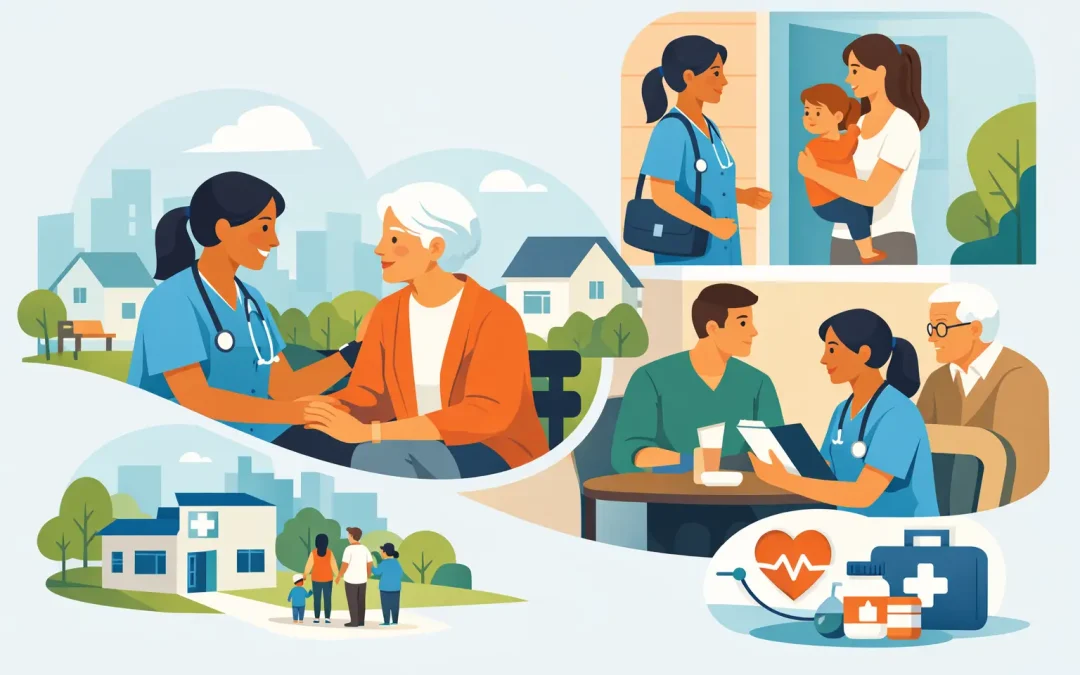
Community based nursing care is nursing support delivered outside a hospital or residential setting, usually in a person’s home or local community. It is designed to help people manage health conditions, recover safely, maintain independence, and receive clinical care in familiar surroundings. Depending on the person’s needs, that might mean a registered nurse visiting for wound care, medication support, continence care, chronic disease monitoring, palliative care, or education for family carers.
What is community based nursing care in practice?
In practice, community based nursing care brings qualified clinical support to the person rather than expecting the person to fit into a service. That matters because health needs do not happen in isolation. They sit alongside mobility issues, meals, showering, family routines, transport, memory changes, and the emotional impact of illness or ageing.
A nurse working in the community looks at the whole picture. They may assess a wound, review how a person is coping after surgery, monitor blood sugar levels, support stoma care, or help manage symptoms linked to a long-term condition. Just as importantly, they notice whether the home environment is safe, whether support is consistent, and whether the care plan still reflects what the person wants.
This is one of the main differences between community nursing and a more task-based approach. Good care is not only about completing a procedure. It is about understanding how that procedure fits into someone’s day, comfort, confidence, and ability to keep living at home.
Who community based nursing care is for
Community based nursing care can support a wide range of people. Older adults often use it to remain safe and well at home while managing age-related changes or chronic health conditions. People recovering from surgery, illness, or a hospital stay may need short-term nursing until they regain strength and stability. Others may require ongoing support because they live with disability, reduced mobility, dementia, diabetes, or more complex medical needs.
It can also be valuable for people needing palliative care at home. In these situations, nursing support focuses not only on clinical needs but also on comfort, dignity, symptom management, and support for the family.
There is no single point at which someone becomes “eligible” in a general sense, because needs vary. Some people need one or two visits a week for a short period. Others need more frequent support and coordination over a longer time. The right level of care depends on the person’s condition, goals, safety, and the support already available around them.
What services are usually included?
Community based nursing care can cover both straightforward and more complex clinical support. Common services include wound dressing and wound management, medication administration, insulin support, continence assessments, catheter care, stoma care, pain management, health monitoring, and support after discharge from hospital.
In some cases, the nurse’s role includes education as much as treatment. A family member may be shown how to support mobility safely, notice signs of infection, or understand changes in a chronic condition. That guidance can reduce stress and help everyone feel more confident.
For people with more involved care needs, nursing may sit alongside personal care, domestic support, respite, transport assistance, and social support. This combined model is often what makes it possible for someone to remain at home for longer. Clinical care is important, but so is help with meals, showering, or getting to appointments. One without the other may not be enough.
Why people choose nursing care at home
The clearest benefit is that people can receive care in a familiar environment. Home can support comfort, routine, and independence in ways that institutional settings often cannot. A person knows where everything is, can sleep in their own bed, eat their usual meals, and stay connected to family, pets, neighbours, and community.
That said, the value of nursing at home is not only emotional. It can also lead to earlier identification of problems because nurses see how someone is actually coping day to day. They may notice a wound healing slowly, a change in appetite, increased confusion, falls risk, or difficulty managing medication. Those observations matter because small issues can become larger ones if they are missed.
There is also a practical benefit for families. When care is coordinated properly, relatives are not left trying to piece everything together alone. They have a clearer plan, a clinical point of contact, and a better sense of what to expect.
The role of personalised care planning
No two people need community nursing in exactly the same way. One person may need short-term support after surgery and then step down to occasional check-ins. Another may need ongoing nursing together with help around the home. That is why personalised care planning is central to good service.
A proper care plan should reflect the person’s health needs, preferences, routines, and goals. It should also take family involvement into account where appropriate. Some clients want a strong role for relatives in decision-making. Others value privacy and independence above all else. Neither approach is wrong. The care should adapt to the individual.
This is also where flexibility matters. Needs can change quickly, especially after a hospital discharge or during a period of declining health. A rigid service model can create gaps. A responsive provider can adjust frequency, add services, and review care regularly so support stays appropriate.
What to look for in a community nursing provider
If you are comparing services, qualifications and communication both matter. Registered nurses bring clinical training, assessment skills, and the ability to manage more complex care safely. But technical skill alone is not enough. Families also need clear communication, respectful service, and confidence that concerns will be followed up.
Look for a provider that explains the process simply, assesses needs properly, and builds care around the client rather than offering a one-size-fits-all package. Ongoing coordination is especially important when someone has multiple needs, such as personal care, domestic assistance, transport, and nursing support at the same time.
It also helps to ask how changes are managed. If a condition worsens, if a wound needs more frequent review, or if a carer suddenly needs respite, the response should be organised and timely. Reliability is not a small detail in home care. It is part of safety.
What community based nursing care does not replace
Community nursing can do a great deal, but it does not replace every part of the health system. Some conditions still require hospital treatment, specialist review, or emergency care. There are also situations where home care is possible only if the home setting is safe and enough support is available.
This is where honest assessment matters. The aim is not to keep someone at home at all costs. The aim is to support them at home when it is safe, appropriate, and aligned with their wishes. Sometimes that means increasing services at home. Sometimes it means recognising that another level of care is needed.
A trustworthy provider will be clear about those limits while still doing everything possible to support comfort, independence, and informed decision-making.
Is community based nursing care right for your situation?
If someone needs clinical care but wants to remain in familiar surroundings, community based nursing care is often worth exploring. It can be the right fit after surgery, during recovery from illness, when managing a chronic condition, or when ageing and disability make daily life more complex. It can also be an important support for families who want to help but need professional guidance and reliable follow-through.
For many people, the question is not simply whether care is needed. It is what kind of care will best protect dignity, independence, and wellbeing. Nursing delivered in the community can meet that need when it is tailored properly, coordinated well, and grounded in both clinical skill and genuine compassion.
The right support should make life feel more manageable, not more complicated. When care is shaped around the person, home can remain not just where they live, but where they continue to feel safe, respected, and in control.