When a loved one starts needing extra help at home, the first question is often simple but surprisingly hard to answer – what is community care services, and what does it actually include? For many families, the term sounds broad because it is. Community care services cover a wide range of support that helps people live safely, comfortably and as independently as possible in their own home and local community.
For some people, that support is practical. It might mean help with showering, dressing, meal preparation, cleaning, shopping or getting to appointments. For others, it includes clinical care from a registered nurse, such as wound care, medication support, diabetes management or post-hospital care. The common thread is that care is delivered in a person’s home or community setting, rather than in hospital or residential care.
What is community care services in simple terms?
Community care services are supports designed to help people manage daily life when age, disability, illness, injury or recovery makes things harder. The goal is not to take over. Good care should preserve independence, respect personal choices and make everyday life safer and more manageable.
That means community care is not one single service. It is a flexible category of support built around what each person needs. Someone recovering from surgery may only need short-term help for a few weeks. An older person living with frailty may need regular support over a much longer period. A person with complex health needs may need both personal care and nursing care delivered as part of one coordinated plan.
This is where families often feel relief. Community care can meet people where they are now, rather than forcing them into a one-size-fits-all model. Support can increase, reduce or change over time.
What community care services can include
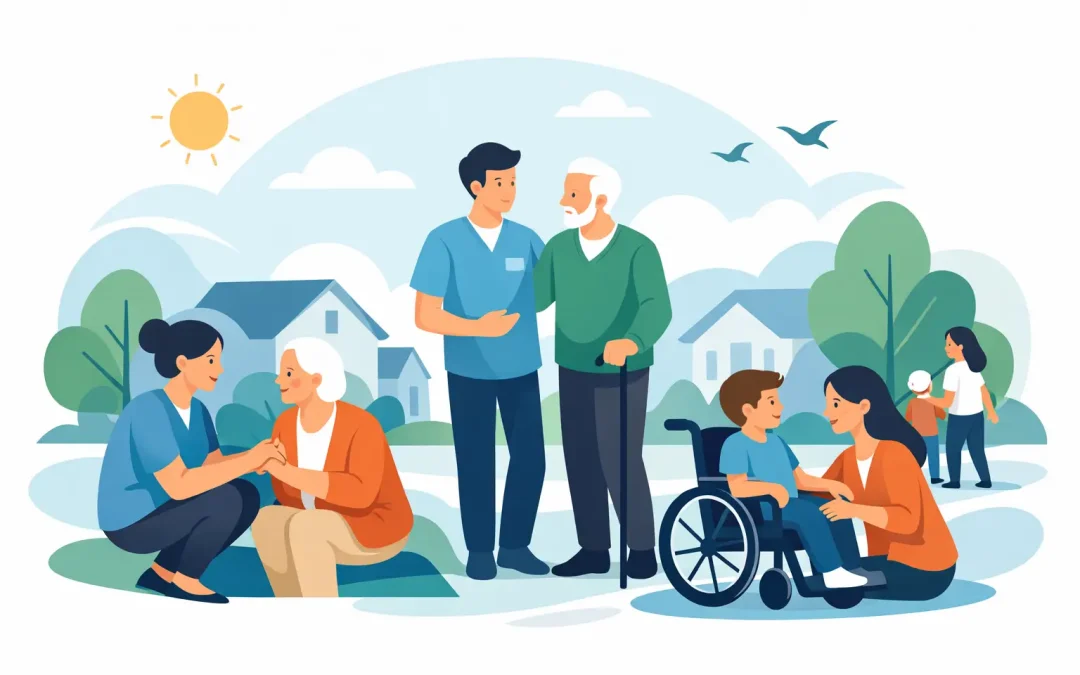
In practice, community care services usually sit across a few broad areas. The first is everyday living support. This includes personal care, domestic assistance, meal help, transport, shopping and social support. These services matter because small daily tasks can become major barriers to living well at home.
The second area is clinical and health-related care. This may include nursing assessments, wound dressing, continence support, stoma care, insulin management, medication monitoring, dementia support, palliative care and recovery after a hospital stay. Not every provider offers this level of clinical support, which is why families often need to ask detailed questions before choosing a service.
The third area is respite and carer support. Sometimes the person receiving care is not the only one who needs help. Family carers may need regular breaks, temporary support after a crisis, or short-term assistance while routines are being reorganised. Good community care recognises the health and wellbeing of the whole support network.
There can also be support with community access, which helps people stay connected with the life they value. That might mean attending appointments, visiting friends, joining social activities or simply getting out of the house safely. This part is often underestimated, but it can make a real difference to confidence and mental wellbeing.
Who community care services are for
Community care services are relevant to more people than many realise. Older Australians are a large part of this group, especially those who want to remain in their own home rather than move into residential care. But community care is also used by adults living with disability, people recovering after surgery or illness, and those needing support after an accident or hospital discharge.
It can also help people with progressive health conditions who need both regular assistance and clinically informed care. In these cases, continuity matters. A care team that understands the person’s routines, health needs and preferences can often provide steadier, less stressful support than a rotating, task-only approach.
The level of care can vary a lot. Some people need one or two short visits a week. Others may need daily visits, longer shifts or a combination of support workers and nurses. Neither is more valid. It depends on the person, their home environment, their health and the support already available from family.
What good community care should feel like
Families often focus first on the list of services, which makes sense. But the experience of care matters just as much as the service itself. Good community care should feel respectful, calm and tailored. It should support a person’s routines where possible, not force unnecessary change.
For example, one person may want help getting ready early each morning, while another may prefer a slower start to the day. One person may want family heavily involved in decisions, while another values privacy and independence. A strong provider takes those preferences seriously and builds them into the care plan.
This person-first approach becomes even more important when care needs are complex. Clinical skill matters, but so does communication. People need to know who is coming, what support is being provided and how concerns will be handled if something changes.
What is community care services compared with home care?
People often use these terms interchangeably, and in everyday conversation that is usually fine. Home care is commonly understood as support delivered in the home, while community care services can be slightly broader. Community care may include in-home support as well as assistance that helps someone take part in the community, attend appointments or stay socially connected.
The bigger point is not the label. It is whether the service meets the person’s actual needs. Some providers mainly offer domestic help and personal care. Others can also provide nursing care, recovery support and more specialised clinical services. If someone’s health needs are changing, that difference matters.
A provider with both caregiving and nursing capability can often offer more continuity. Instead of arranging one service for household help and another for clinical tasks, families may be able to coordinate support through one team. That can reduce confusion and make follow-up easier.
Why community care services matter
The value of community care is not only convenience. It can help people maintain dignity, reduce avoidable risks and stay connected to familiar routines. Home is where people know where everything is, where meals taste right, where neighbours are familiar and where personal independence often feels strongest.
That said, staying at home is not always the right option for everyone forever. There are times when care needs become too complex or safety concerns become too high. Community care works best when it is reviewed honestly and adjusted as circumstances change. Respecting independence should never mean ignoring risk.
Still, many people can remain at home safely for longer with the right support in place. Sometimes the difference is modest – help with showering, transport and medication reminders. Other times it is more involved, with nursing care, rehabilitation support or palliative care delivered in a familiar setting.
How to know what type of care is needed
This is where many families feel overwhelmed. The easiest place to start is by looking at what has become difficult, unsafe or exhausting. Are meals being skipped? Has personal hygiene become harder? Are medications being missed? Is mobility less steady? Has there been a recent hospital stay, fall or decline in memory?
It also helps to think beyond the obvious tasks. Social isolation, carer burnout and confusion after discharge from hospital can all signal that extra support is needed. Sometimes a person says they are managing, but the home environment or daily routine tells a different story.
A proper care assessment should look at the whole picture – physical health, mobility, cognition, home safety, personal goals, family involvement and clinical needs. The best care plans are practical and flexible. They do not just list services. They explain how support will work in daily life.
Choosing a community care provider
Not all community care services are the same. Some are well suited to basic assistance, while others can support more complex needs with registered nurses and structured care coordination. Asking the right questions can save a lot of stress later.
It is worth finding out whether care plans are personalised, whether services can change as needs change, how communication is handled, and whether the provider can support both daily living and nursing requirements if needed. Reliability matters too. Families need to know that visits will be consistent and that concerns will be followed up properly.
For people in Melbourne who need a combination of practical support and clinically informed care at home, this joined-up approach can be especially helpful after hospital discharge, during recovery, or when managing ongoing health conditions.
Community care services are, at their heart, about helping people live with more safety, dignity and choice in the place that feels most like home. The right support does not rush people or reduce them to a checklist. It works alongside them, respects their preferences and makes daily life feel more manageable again.