The first few days after surgery can feel surprisingly uncertain. You may be home from hospital, relieved the procedure is over, but still wondering how long is post surgery recovery and when life will start to feel normal again. The honest answer is that recovery is different for every person, and it depends on far more than the date of the operation.
Some people are up and moving comfortably within a week or two. Others need several months before their strength, mobility and confidence return. Age, general health, the type of surgery, pain levels, wound healing, and the support available at home all play a part.
How long is post surgery recovery for most people?
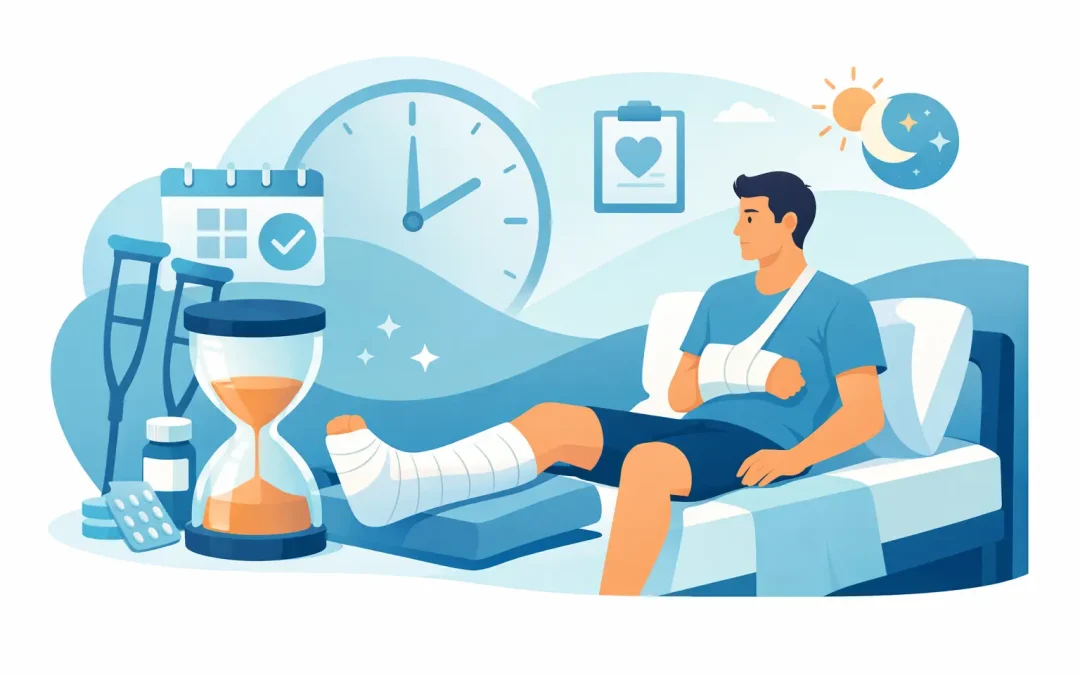
Recovery usually happens in stages rather than one clear finish line. In the early stage, the focus is often on pain relief, rest, wound care and safe movement. In the weeks that follow, people often begin rebuilding stamina, managing household tasks again, and returning to appointments, exercise or social routines.
For minor procedures, recovery may take a few days to a couple of weeks. For more involved surgery such as joint replacement, abdominal surgery, spinal procedures or surgery after an injury, recovery can take several weeks or months. Even when the wound looks healed, fatigue can linger longer than expected.
This is where people can become frustrated. They may assume that once they are discharged from hospital, they should be back to normal quickly. In reality, discharge only means you are medically well enough to continue recovering in a different setting. It does not mean the recovery process is complete.
Why recovery time varies so much
The biggest factor is the type of surgery itself. A day procedure with a small incision is very different from major surgery involving anaesthetic, reduced mobility and more complex aftercare. Orthopaedic surgery, for example, may involve swelling, pain, walking aids and rehabilitation exercises. Abdominal surgery may affect appetite, digestion and comfort with movement. Cardiac and thoracic procedures often require more careful monitoring and gradual activity.
Your health before surgery also matters. A person who was active, well nourished and independent beforehand may recover faster than someone already living with frailty, chronic illness or limited mobility. Conditions such as diabetes, poor circulation, lung disease and dementia can all make recovery slower or more complicated.
There are also practical factors that are easy to overlook. If you live alone, have stairs at home, cannot drive, or have no one available to assist with meals or showering, recovery can feel longer and more difficult. Sometimes the challenge is not healing itself, but managing safely while healing is still underway.
What the first few weeks often look like
In the first week, many people feel tired, sore and less steady on their feet than expected. Simple tasks such as getting dressed, standing in the shower, preparing meals or walking to the letterbox may take more effort. Sleep can be disrupted. Appetite may be reduced. It is also common to feel emotional, especially after a hospital stay.
By weeks two to six, improvement is often more noticeable, but not always smooth. One day may feel productive, and the next may bring a setback in energy or pain. This does not always mean something is wrong. Recovery is rarely a straight line.
For surgeries that affect movement, rehabilitation is often a key part of progress. Following advice from the treating team, pacing activity properly and avoiding the temptation to do too much too soon can prevent unnecessary setbacks. Many people feel better before they are truly ready to resume lifting, driving, shopping or caring for others.
Signs your post-surgery recovery is on track
Most healthy recovery periods include gradual progress, even if it is slow. Pain should become more manageable over time. Mobility should improve in small but steady ways. The wound should look as expected based on medical advice, and daily tasks should slowly become easier.
It is also reassuring when you can eat and drink reasonably well, sleep a little better, and manage medication without confusion. Confidence matters too. Being able to move around the home safely and attend follow-up appointments without major difficulty is part of a good recovery.
That said, slow recovery is not always poor recovery. Some procedures simply take longer. The key question is whether there is overall progress, not whether recovery matches someone else’s timeline.
When to seek extra help
There are times when recovery needs more support, either from family, a GP, the hospital team or in-home care professionals. Increasing redness, swelling, bleeding, discharge from the wound, fever, worsening pain, shortness of breath, confusion or sudden decline in mobility should never be ignored.
Sometimes the concern is less dramatic but still important. A person may be missing meals because standing is too tiring. They may skip showers because they are afraid of falling. They may be taking medication incorrectly, or avoiding movement because they are worried about pain. These situations can delay healing and affect safety at home.
Extra help can make a real difference when recovery is becoming stressful rather than manageable. Early support often prevents bigger problems later.
How in-home support can shorten the hard part of recovery
While no service can rush the body’s natural healing time, the right support can make the recovery period safer, smoother and less exhausting. That matters, especially for older Australians and families trying to balance care with work, children and other responsibilities.
In-home support after surgery can include help with showering, dressing, meal preparation, mobility around the home, transport to appointments and light domestic tasks. For people with more complex needs, nursing support may include wound care, medication support, monitoring for complications and communication with the broader care team.
This kind of care is not about taking over. It is about helping someone recover with dignity, comfort and as much independence as possible. A personalised plan is especially important because one person may only need short-term practical help, while another may need clinical oversight and regular follow-up.
For families, having experienced support in place can also reduce worry. It means someone is keeping an eye on the details that affect recovery day to day, not just the major medical issues.
How long is post surgery recovery at home versus in hospital?
Most recovery now happens at home, not in hospital. Hospitals focus on acute care, monitoring and discharge once it is safe to continue healing elsewhere. For many people, home is more comfortable and better for rest, but it also means more responsibility shifts to the person recovering and those around them.
At home, recovery can feel longer because you are managing real life alongside healing. Meals still need preparing. Laundry still builds up. Medication schedules, wound care and mobility precautions must still be followed. If support is limited, even a normal recovery can feel overwhelming.
This is why the home environment matters so much. A safe set-up, clear care instructions and the right level of assistance can improve confidence and reduce strain. Good recovery at home is not only about time. It is about whether the person feels supported enough to heal well.
What families can do to support recovery well
Families often want to help but are unsure what is most useful. The best support is usually practical, calm and consistent. That may mean organising meals, attending appointments, reminding someone to rest, or noticing when they are becoming more withdrawn or unsteady.
It also helps to listen carefully to what the person wants. Some people appreciate close support, while others value privacy and independence. Good care respects both safety and personal preference. Recovery tends to go better when the person feels involved in decisions rather than managed.
If family members are providing care, it is also worth being realistic about what they can sustain. Short-term support needs can quickly become longer than expected. Asking for help early is often kinder for everyone.
The recovery timeline is personal, but support should be clear
If you are asking how long is post surgery recovery, you are usually asking something deeper as well. You want to know when things will feel easier, when it will be safe to relax, and what level of help is reasonable to need.
A helpful answer is this: recovery should be guided by your actual needs, not by pressure to bounce back quickly. Some people need a few days of assistance. Others need several weeks of practical and clinical support before they feel secure at home again. What matters most is safe healing, steady progress and care that fits the person, not a standard timetable.
If recovery feels slower or harder than expected, that does not mean you are failing. It may simply mean you need the right support around you while your body does its work.